
Food that won’t sell through your usual channels loses value as the dates move closer. Most packaged food can still go through clearance in the UK. It needs to be safe to eat, correctly labelled and stored the right way.
So what food can be sold through clearance, and what has to go elsewhere? The answer comes down to the type of food, its condition and the dates on the pack. Overstocked food products, cancelled lines and short-dated pallets all have a route. The key is acting before the dates run out.
Most Packaged Food Can Go Through Clearance If It Is Safe and Labelled
Knowing what surplus food can be sold starts with the checks a shop would make. A buyer wants sealed packs, readable labels and stock that has stayed at the right temperature. If your stock meets those points, the product type matters less than most sellers expect.
Food ends up surplus for ordinary reasons. A retailer cancels an order, a production run comes out too big, or a supermarket drops a line. None of that makes the food unsafe. The stock simply needs a new buyer. Some sellers treat a cancelled order as a write-off. Yet buyers want exactly that kind of stock, sealed, in date and still in full cases.
Most surplus food stock in the UK falls into a few groups. Our food clearance service handles frozen, perishable and short-dated stock. It also takes food that can no longer go to market. Those groups cover most of what a business holds.
Food Clearance Stock Categories and What Buyers Check First
Buyers sort food by how it needs storing, because storage decides how fast it must move. Each main type has one thing a buyer looks at first.
| Food type | Examples | Storage | Buyer checks first |
|---|---|---|---|
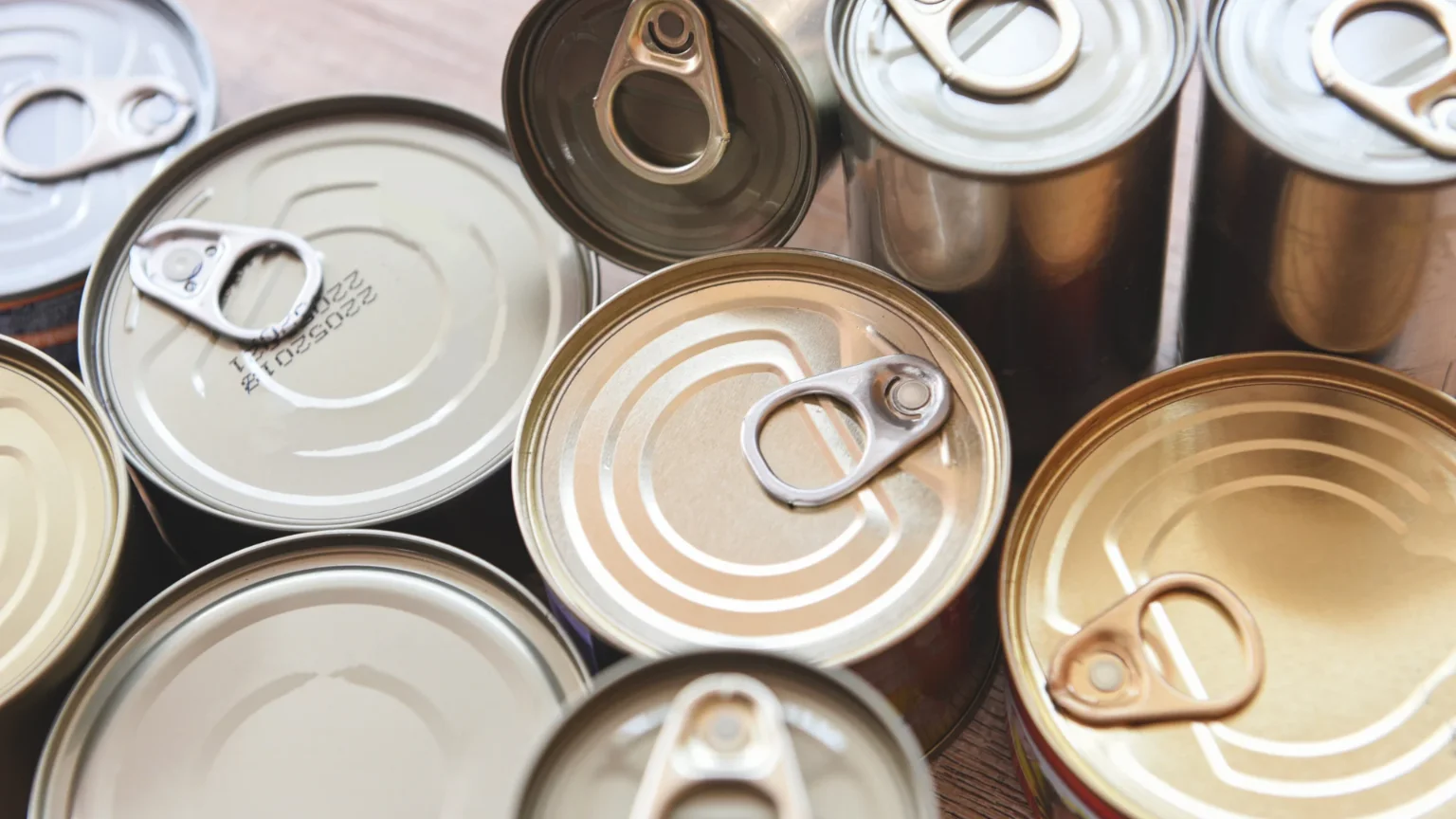
| Ambient and dry goods | Tins, pasta, rice, cereals | Cool, dry room | Dents, seals, best-before |
| Snacks and confectionery | Crisps, biscuits, chocolate | Cool, dry room | Pack condition, dates |
| Soft drinks and juice | Cans, bottles, cartons | Cool, dry room | Leaks, crushed cases |
| Frozen food | Ready meals, meat, vegetables | Freezer | Temperature records |
| Chilled food | Dairy, cooked meats, desserts | Fridge | Use-by date, cold chain |
| Fresh produce and bakery | Fruit, vegetables, bread | Varies by product | Shelf life left |
| Bulk ingredients | Flour, oils, sugars, sauces | Depends on the product | Sealed sacks, batch labels |
Ambient food clearance is the simplest of these, since tins and dry goods keep for months. Cold stock takes more care, and so do bulk ingredients.
Frozen and Chilled Stock Need a Clear Temperature History
With cold food, a buyer can’t see the risk by looking at the box. A frozen pack that thawed in a broken freezer can look exactly like one that never warmed up. So the temperature history matters as much as the product itself.
Keep your freezer and fridge logs, delivery notes and any alarm records together. They show the stock stayed cold from the day it arrived. For frozen food stock clearance, those records often decide whether a buyer says yes on the first call.
If a freezer failed at any point, say so up front. A buyer would rather hear it from you than find a pallet that has partly thawed. Surplus chilled food moves on a much tighter clock. Most chilled lines carry a use-by date rather than a best-before, so every day counts. Get chilled stock in front of a buyer while there are still several days left on the pack.
You Can Freeze Chilled Stock Before Its Date
Chilled stock close to its date doesn’t always have to stay chilled. The Food Standards Agency allows businesses to freeze surplus chilled or ambient food in most cases. They still have to follow food hygiene rules.
Timing matters here. Freeze the stock before its date runs out, not after. The product name should then show the food is frozen, so nobody mistakes it for fresh stock. Some foods, such as meat and fish, also need the date of freezing on the label.
If you plan to freeze stock before clearance, speak to your local food safety team first. They can tell you what your labels need to carry. Frozen stock with clear labels gives a buyer far more time to find it a home.
Bread, cakes and many ready meals freeze well. Salad leaves and some dairy products don’t, so sell those chilled while the date allows.
Bulk Ingredients and Catering Packs Still Count as Stock
Clearance isn’t only for finished products on a shop shelf. Manufacturers and caterers often hold sacks of flour, drums of oil, sugars, starches and catering tubs of sauce. Other food businesses use the same raw materials, so surplus bulk ingredients still have a market.
What matters most is that packs stay sealed and keep their batch codes and ingredient labels. A buyer needs to know what is inside and how long it keeps. Catering-size packs from a closing kitchen fit here too, as long as nobody has opened them.
Part-processed goods follow the same logic. A sealed tub of base sauce or a bag of frozen dough can still move. It just needs a proper label and a date. Many dry ingredients also carry long best-before dates. That gives you more time to find the right buyer, even for large sacks and drums.

Soft Drinks and Juice Stock Need Their Own Checks
Drinks are heavy and usually travel in shrink-wrapped trays. One leaking can soaks the cases around it, so buyers look for sticky marks on a pallet first.
Most soft drinks carry a best-before date, not a use-by. Fizzy drinks slowly lose carbonation as they age. That changes the taste rather than the safety. It still shapes how long a buyer has to sell them.
Juice needs a closer look. Fresh juice from the chiller usually carries a use-by date and follows the chilled food rules. Long-life juice in cartons sits with ambient stock and keeps far longer. Bottled water also lasts well, as long as every seal is unbroken.
Energy drinks and other high-caffeine lines carry their own warning labels. Keep those original packs intact, because a buyer can’t resell them without the warning.
Packaging Damage Decides More Than the Food Type
Two cases of the same beans can get two very different answers. Condition, more than category, decides which food products can be cleared. One case sells, while the other goes to disposal because its tins have deep dents along the seam.
A buyer checks the packs that touch the food first. Split vacuum seals and burst pouches stop a sale straight away. So do bulging or rusty tins and any sign of pests in the load.
Outer packaging works differently. Torn shrink-wrap or a crushed outer box can leave the inner packs untouched. Those inner packs can still sell, sometimes after the stock goes into new cases.
Water damage sits somewhere in the middle. A wet cardboard outer on tinned goods is usually fine once the tins are dry and clean. On dry goods in paper or card, damp can reach the food, and that stock rarely sells.
Before you contact a buyer, open a few cases from different pallets and check the inner packs. A short note of what you find saves time on both sides.
Pallets also need to be stable enough to move. A leaning or collapsed stack can crush good stock on the way out. Restack it before collection if you can.
Label Errors, Old Branding and End-of-Line Food Can Still Move
Plenty of good food never reaches the shops because of the label, not the product. A misprinted barcode or a design change can leave a whole run stuck in a warehouse.
Mislabelled food stock can still go through clearance. Some buyers re-label it, while others sell it into markets where the original design doesn’t matter. The same goes for food left with old packaging after a rebrand.
Imported food with a foreign-language label is another common case. Food sold in the UK has to show key details in English, such as ingredients, allergens and dates. An English sticker over the original label often solves it.
One label error is different. If an allergen is missing from the ingredients list, the food isn’t safe for everyone to eat. That stock needs correct labels before anyone sells it, or it goes for disposal.
Discontinued and end-of-line food stock raises a separate worry for brand owners. Many manufacturers don’t want their products turning up in the wrong discount channel. If that matters to you, raise it before you agree a sale. We offer a service to help keep your brand out of the wrong places.
Seasonal and Price-Marked Food Stock Has a Short Window
Some food loses its market before it loses its date. Christmas puddings, Easter eggs and selection boxes can stay in date for months. Shops still stop wanting them the week the season ends. Summer lines such as barbecue sauces follow the same pattern.
Clearance gives seasonal stock a second chance in discount channels, where the date matters more than the calendar. The sooner it moves after the season, the more of its value it keeps.
Price-marked packs need the same quick thinking. A printed price such as £1 limits where the stock can sell. Most shops won’t charge more than the pack says. Packs with an “extra free” flash can look dated to retailers once the promotion ends.
None of this makes the stock unsellable. Flag seasonal lines and price marks when you ask for a valuation. A buyer can then match the stock to the right outlet.
Food That Clearance Buyers Cannot Resell
Part of knowing what food can be sold through clearance is knowing what can’t. The clearest case is food past its use-by date. Selling it after that date breaks UK food law, so no buyer can take it for resale.
Best-before dates are different. They’re about quality rather than safety, so food past its best-before date can still be sold if it’s safe and in good condition. Buyers simply pay less for it. Cooked or prepared food is another firm no. Buffet trays, made-up sandwiches and anything heated for service can’t go back into the supply chain. Opened packs and part-used tubs sit in the same group. Nobody can check what happened to them after opening.
Stock that spent time outside its storage temperature also stays off the market, even if it looks fine. A chilled pallet left on a loading bay overnight is a common example.
Recalled products stay off the market too. Once a manufacturer issues a recall or withdrawal notice for a line, nobody can resell it. Its date and condition make no difference. Some categories carry extra rules, such as alcohol, baby food and food supplements. They need checks that ordinary groceries don’t. Mention them at the start, so a buyer can tell you straight away whether they fit.
Where Unsellable Food Stock Goes in the UK
Food that can’t be resold still needs a proper exit. The order is simple. Anything still fit to eat should reach people first, then animals, and only after that recycling or disposal.
Animal feed suits some surplus, such as bread, cereals and other plant-based food past its best-before date. The business supplying it has to register as a feed business with its local authority, usually through Trading Standards. Meat and fish can’t go into feed for farm animals.
The rest goes to anaerobic digestion, composting or another licensed form of disposal. Packaged food needs separating from its packaging first, which is a specialist job.
We handle responsible disposal of expired or unsellable food, following UK regulations. If part of a load can’t be resold, our waste disposal service covers that side too. Keep the paperwork for anything that leaves as waste. A waste transfer note records who took it and where it went. Your duty of care as a business requires one.
Details to Send for a Faster Food Stock Valuation
Clearance companies like ours buy surplus food stock from businesses, and good details help us value it faster. Send these with your enquiry:
- Products: names, brands and pack sizes for each line.
- Dates: the best-before or use-by date on every batch.
- Quantity: number of cases or pallets, plus a rough total.
- Storage: ambient, chilled or frozen, and where it sits now.
- Photos: a few clear shots of outer cases and inner packs.
- Known issues: any label errors, damage or missing paperwork.
A full stock manifest helps even more, especially with mixed loads. Our valuations are free and carry no obligation. Every enquiry gets a reply the same working day. We look at the type and condition of your stock, then tell you what can be sold and what needs another route. Once you agree the price, we handle removal and transport from your site.
Get a Free Valuation on Your Food Stock
When you need to sell surplus food stock, a quick look costs nothing. Tell us what you hold, and we’ll tell you what can be sold and what it’s worth. We pay promptly once we agree terms, and we collect from anywhere in the UK. Call 01772 915658, message us on WhatsApp at 07742 933726, or send us the details online.