

To plan a warehouse clearance before relocating your business, set a clearance deadline, audit your stock and equipment, then decide what to move, sell, recycle or dispose of. Doing this before the move stops you paying to transport things you no longer need. Old inventory, unused machinery, surplus products, redundant pallet racking and damaged equipment all add to moving costs. A planned warehouse clearance helps you decide what should move, what you can sell and what needs responsible removal. It also makes it easier to coordinate contractors, manage deadlines and prepare your existing premises for handover. You can recover value from suitable assets and start at the new site with a more organised warehouse.
Why Should You Clear Your Warehouse Before Relocating?
A warehouse move gives you a practical opportunity to review your stock, equipment and storage requirements before committing to another site. Moving everything may seem like the easiest option, but it can mean paying to transport products that no longer sell, equipment that is no longer used and storage systems that do not suit the new building.
These items can create additional costs at several stages. They take up space in removal vehicles, require handling during loading and unloading, and may need temporary storage if the new premises are not ready. You may also need to dismantle and reinstall equipment that would have been cheaper to sell or replace.
A clearance plan helps separate essential business assets from items that are no longer useful. It also gives you time to explore resale opportunities instead of making rushed disposal decisions close to your relocation date.
For businesses moving into a smaller warehouse, this process is particularly useful. Limited floor space makes it important to review stock levels, shelving capacity and machinery requirements before the move begins.
1. Set a Clearance Deadline Before Planning the Move
Start with the date when you must leave your existing warehouse. This could be the end of a commercial lease, the start of operations at your new premises or a date agreed with your landlord.
Work backwards from that deadline. Allow enough time for stock assessments, valuations, sales agreements, equipment removal, waste collection and the final inspection. Do not assume every task can happen during the last few days.
Create a relocation schedule that separates the work into manageable stages. For example, inventory checks and asset assessments can happen while the warehouse remains operational. Stock sales and non-essential equipment removal can follow. The final stage should focus on moving the items you intend to retain and preparing the premises for handover.
Assign responsibility for each task. Your warehouse manager may oversee inventory, while the finance team checks asset records and the facilities team coordinates contractors. One person should monitor the overall schedule and resolve delays.
A useful deadline plan should include:
- The date when stock and asset assessments must finish.
- The deadline for receiving and reviewing purchase offers.
- Agreed collection and removal dates.
- The final date for moving essential stock and equipment.
- The date for cleaning, inspection and premises handover.
Build some contingency into the schedule. A delayed collection, unexpected equipment dismantling requirement or access restriction can affect the entire move.
2. Conduct a Complete Warehouse Inventory Audit
You cannot make good clearance decisions without knowing what is inside the building. Start by inspecting the entire premises rather than focusing only on the main storage area.
Include stock locations, loading bays, offices, workshops, mezzanine floors, maintenance areas and external storage spaces. Warehouses often contain equipment and materials that are not included in routine inventory reports.
Your audit should cover two main categories: products and physical business assets.
Review All Stock and Inventory
Check your inventory records against the stock physically held at the warehouse. Record product descriptions, quantities, condition, packaging, age and current demand where available.
Pay particular attention to slow-moving products, discontinued lines, excess inventory, cancelled orders, seasonal goods and stock with damaged packaging. These items may still have resale value, but leaving the assessment until the last minute can reduce your options.
Identify products that should move to the new warehouse because they support active customer orders or regular sales. Separate them from stock that could be sold in bulk or cleared before the relocation.
Inspect Equipment and Warehouse Fixtures
Your audit should also include assets that support daily operations. These might include pallet racking, shelving, forklifts, conveyors, machinery, workbenches, trolleys and office furniture.
Record the condition and ownership of each item. Check whether equipment is owned outright, leased or subject to finance. You should not sell or dispose of assets until ownership and any contractual restrictions are clear.
Photographs can make the assessment easier for potential buyers and clearance providers. Take clear images of equipment labels, dimensions, visible damage and overall condition.
3. Divide Everything Into Five Clearance Categories
Once the inventory is complete, decide what should happen to each item. Avoid treating the warehouse as one large clearance lot. Different products and assets may have different resale values and removal requirements.
A practical approach is to use five categories.
| Category | What to Do | Examples |
|---|---|---|
| Move | Transfer to the new premises | Active stock, essential machinery, operational equipment |
| Sell | Recover value through a buyer | Surplus stock, unused equipment, redundant racking |
| Auction | Consider a competitive sale | Specialist machinery and selected commercial assets |
| Reuse or recycle | Find another suitable use or recovery route | Reusable materials, pallets, recyclable metals |
| Dispose | Arrange appropriate removal | Unsaleable, damaged or unsuitable waste |
This approach prevents valuable stock from being mixed with general waste. It also helps your team understand which items need a buyer, which require specialist removal and which must be transported to the new site.
Do not automatically dispose of older equipment or discontinued products. Their value depends on condition, demand, specifications and the availability of suitable buyers.
4. Decide Which Surplus Stock Can Be Sold Before the Move
Surplus inventory is one of the first areas worth reviewing during a warehouse relocation. Products that no longer fit your sales plans can still have value to another business.
For example, a wholesaler moving into a smaller facility may have excess quantities of discontinued product lines. A retailer may hold seasonal goods that are unlikely to sell before the move. A manufacturer may have unused components after changing its product range.
Selling suitable stock before relocation can reduce the volume that needs transporting and create additional working capital.
Prepare Accurate Stock Information
Before approaching potential buyers, prepare a clear stock summary. Include product categories, quantities, condition, packaging details and warehouse location. Mention any expiry dates, batch information, brand restrictions or other resale conditions that may affect the offer.
Photographs and an inventory spreadsheet can help buyers understand what is available. For large stock volumes, a detailed manifest is more useful than a general description such as mixed warehouse stock.
Compare the Available Clearance Routes
A direct sale to a surplus stock buyer can suit businesses that want to clear a large quantity through an agreed transaction. An auction often suits specialist or higher-value assets that are likely to attract several bidders.
Selling products individually through existing sales channels may produce a different return, but it also requires time, marketing, customer service and fulfilment resources. That work may not be practical when a fixed relocation deadline is approaching.
The best route depends on the stock type, quantity, condition, resale restrictions and time available.
If you have excess inventory, Surplus Solutions Group’s excess stock buying service can value it before you move. Businesses considering an auction can also explore the Auctions Management Service.
5. Arrange the Removal of Pallet Racking and Warehouse Equipment
Warehouse relocation often involves storage systems and equipment that do not need to move to the new premises. This can include redundant pallet racking, shelving, conveyors, forklifts, machinery and other industrial assets.
Review the layout of your new warehouse before deciding what to retain. The new building may have different ceiling heights, aisle widths, loading arrangements or storage requirements. Existing racking may not fit the available space or may no longer support your operational needs.
Assess Pallet Racking Before Dismantling
Identify the type, dimensions and condition of each racking system. Check for visible damage and establish whether the system is suitable for reuse or sale.
Do not assume that racking can be dismantled and reinstalled without assessment. The new warehouse may require a different configuration, and installation should follow the relevant equipment and safety requirements.
If the racking is no longer required, you may be able to sell it. Surplus Solutions Group provides a pallet rack buying service for businesses looking to sell warehouse racking and related storage assets.
Plan Machinery and Heavy Equipment Removal
Large machinery requires more preparation than ordinary stock removal. Consider its dimensions, weight, lifting requirements, access routes and any specialist handling needed.
Check whether machinery needs to be disconnected, drained, dismantled or prepared by qualified personnel before removal. Coordinate these tasks with the equipment supplier, maintenance team or suitable specialist contractor.
Keep an accurate record of equipment being moved, sold or removed. This helps prevent confusion when the relocation team starts working through the site.
6. Coordinate Warehouse Clearance With Your Relocation Team
Clearance and relocation should be treated as connected projects. If different contractors work without a shared schedule, they can obstruct each other or remove items that the business still needs.
For example, a removal team may arrive to collect stock while a clearance contractor is dismantling nearby racking. Without proper coordination, loading access can become restricted and staff may have to move the same items more than once.
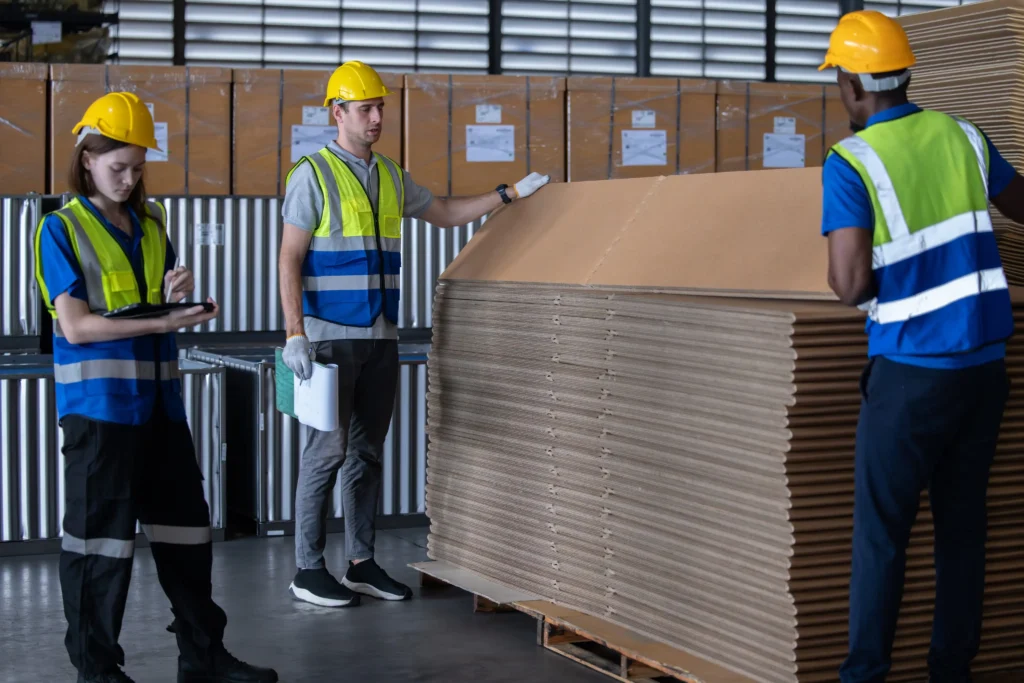
Create a shared site plan that identifies which warehouse areas will be cleared first and which must remain operational. Agree vehicle access, loading bay use, working hours and safety arrangements with everyone involved.
Where possible, separate the warehouse into zones. One area can hold stock prepared for transfer, another can contain products awaiting collection, and a separate section can be used for equipment scheduled for removal.
Make sure all teams work from the same inventory and removal instructions. Clearly label items that must stay, move, sell or be disposed of. This reduces the risk of accidental removal and unnecessary handling.
7. Compare Clearance Costs and Potential Asset Recovery
A warehouse clearance is not only about removing unwanted items. It is also a financial decision.
Moving unnecessary stock and equipment can increase transport, labour and handling costs. Keeping surplus products in storage can also create ongoing expenses. At the same time, selling suitable inventory or equipment can help recover some value before the move.
Compare the realistic costs and returns for each clearance option.
| Option | Potential Financial Consideration | What to Check |
|---|---|---|
| Move everything | Transport, labour and future storage costs | Whether each item is genuinely needed |
| Sell surplus stock | Potential recovery from inventory | Buyer demand, condition and collection terms |
| Sell warehouse equipment | Potential recovery from redundant assets | Condition, ownership and removal arrangements |
| Auction selected assets | Potential competitive bidding | Fees, timing and collection responsibilities |
| Recycle or dispose | Collection and processing costs may apply | Material type and authorised handling |
Do not assume every asset will generate income. Some items may have little resale demand or may cost more to remove than their recoverable value.
Ask for written terms before agreeing to a transaction. Confirm the items included, purchase price, collection responsibilities, payment arrangements and any costs that could affect the final amount.
For mixed warehouse clearances, it may be worth using different routes for different asset categories. A single disposal method is not always the most practical or financially sensible choice.
8. Check Waste Management and Legal Responsibilities
Warehouse clearances can produce different types of business waste, including packaging, damaged products, scrap materials and redundant electrical equipment. These materials should not automatically be placed together or handed to an unverified collector.
Businesses in England have responsibilities under commercial waste rules. GOV.UK advises businesses to minimise waste, store it safely, use registered waste carriers and complete the required waste transfer documentation. Different regulators and guidance apply in Scotland, Wales and Northern Ireland, so businesses should check the rules relevant to their location.
Read the official GOV.UK guidance on disposing of business or commercial waste.
Separate Reusable Materials From Waste
Check whether products or materials can be reused, sold or recycled before arranging disposal. This may include cardboard, metal, pallets, packaging and certain equipment. Businesses can review appropriate recycling solutions when planning the clearance.
Electrical and electronic equipment may require a suitable WEEE handling route. Identify these items during the audit rather than leaving them until the final clearance day.
Check Contractors and Retain Documentation
Before transferring business waste, check that the carrier is appropriately registered and authorised for the work. Make sure the waste is accurately described and that the correct paperwork is completed.
For non-hazardous waste transfers, businesses generally need a waste transfer note or an equivalent document containing the required information. GOV.UK explains that these records should be retained for two years. Hazardous waste movements have additional documentation requirements.
You can review the official waste transfer note guidance for further details.
If you are unsure how a particular material should be classified or handled, seek advice from an appropriately qualified waste professional before collection.
9. Prepare the Old Warehouse for Final Handover
Once stock, equipment and unwanted materials have been removed, carry out a full inspection of the existing premises.
Do not limit the inspection to the main warehouse floor. Check offices, storage rooms, workshops, mezzanines, loading bays, external areas and any other spaces included in your lease or clearance agreement.
Compare the condition of the premises with your lease requirements and any agreed handover conditions. Check whether specific fixtures must remain, whether equipment needs to be removed and whether any repairs or cleaning are required.
A final inspection should confirm that:
- All agreed stock and equipment have been moved or removed.
- No unwanted materials remain in storage areas or loading zones.
- Fixtures that must remain have not been disturbed.
- Waste and collection documentation has been retained.
- Any agreed repairs or cleaning have been completed.
- Keys, access cards and other property items are ready for handover.
Take photographs of the cleared premises for your records. If the landlord or property manager requires a formal inspection, arrange it before the deadline rather than waiting until the last day.
Common Warehouse Clearance Mistakes to Avoid
Even a well-organised relocation can become more complicated if clearance decisions are delayed or responsibilities are unclear.
One common mistake is moving everything without reviewing its value or usefulness. This can increase transport costs and fill the new warehouse with products and equipment that the business no longer needs.
Another is leaving stock valuation until the relocation is already underway. Potential buyers need enough information to assess the products, and collection dates must fit around the wider move.
Businesses should also avoid treating all unwanted items as waste. Some stock, machinery and racking may have resale value. Separating these assets early gives you more time to compare suitable options.
Finally, do not overlook ownership checks, contractor access, waste paperwork or the lease handover requirements. These details can cause delays even after most of the warehouse has been cleared.
How Surplus Solutions Group Can Help With Warehouse Clearance
Most warehouse relocations leave a business with stock and equipment it no longer needs. Surplus Solutions Group works with UK businesses on surplus stock buying, company clearances, pallet racking and related asset removal requirements.
Its company clearance service covers warehouse and industrial clearance projects, including machinery relocation and the removal of unwanted assets.
If you have surplus stock, redundant racking or unwanted business assets, contact Surplus Solutions Group to discuss the items, quantities, condition and collection requirements. An inventory and photographs make it easier to identify the right clearance options.
Plan Your Warehouse Clearance Before the Move
A successful warehouse relocation starts with knowing what is worth taking to the new premises. Reviewing stock, equipment and storage systems early can reduce unnecessary transport, create opportunities to recover value and make the final handover easier to manage. Set a clear deadline, organise your inventory, compare suitable clearance routes and coordinate removal work with the relocation team. If you have surplus stock, redundant racking or unwanted business assets, discuss your requirements with Surplus Solutions Group before the move becomes urgent.