
One of your machines has stopped working, and the repair quote is close to what the machine is worth. The obvious next question is whether anyone will buy it in that state.
Yes, you can sell broken industrial machinery in the UK. Many faulty machines still find a buyer. Some buyers rebuild them, while others strip them for spare parts or send them abroad, where repair work costs less. The price depends on what has failed, who made the machine and how complete it is. Even when nothing on it can be reused, the machine still has value as scrap metal.
How Buyers Value a Machine That Doesn’t Work
When buyers look at a broken machine, they weigh up what they can do with it. The answer puts the machine into one of three groups, and each group is priced in a different way. Knowing the group before you ask for quotes helps you spot an offer that is too low.
| Condition | What the buyer pays for | Example faults |
|---|---|---|
| Repairable | The whole machine, to rebuild | Dead control, worn spindle, failed pump |
| Worth spares | Motors, drives, controls and tooling | Cracked bed, but good parts still fitted |
| Metal only | Steel, cast iron and copper by weight | Frame, motors and controls are beyond saving |
Salvage value comes from buyers who know the model and need its frame or its parts. It tends to beat the scrap value of old machinery by a wide margin. Scrap prices only reflect the weight of the metal and what steel is fetching that week.
Age matters less than most people think. An old lathe from a well-known maker can outsell a newer machine whose brand no longer makes parts. Buyers read the data plate and check the running hours before they even look at the year. A full service history helps too, as it shows how well the machine was looked after.
If your machine still works and you simply don’t need it, the process is different. Our guide to selling a machine that still runs explains that side of things.
Common Faults and What They Mean for the Price
A machine that won’t power up still sells in most cases. Before you sell faulty industrial machinery, it helps to know how a buyer sees the fault. Most faults affect one part and leave the rest in good order. The buyer wants to know which part has failed and what the fix will cost.
Electrical and Control Faults
On a CNC machine, the control is the computer that moves the axes. It’s a common point of failure. When the screen goes blank, many owners assume the whole machine is finished. A rebuilder sees it differently, because a new control fits onto a sound frame. In that case, most of the value sits in the bed, the slideways and the spindle.
The same applies to a failed drive or a faulty PLC, the small computer that runs many production machines. These faults look serious, but they rarely harm the mechanical parts. An old control that nobody supports anymore hurts the price more. The buyer then has to replace it instead of repairing it.
Mechanical and Hydraulic Faults
A worn spindle, broken gearbox, or failed hydraulic pump means a bigger repair. Specialist workshops still take on this work regularly. For popular models, replacement parts are easy to source. Here, the make and model decide most of the price. A press brake from a known brand, with parts still on sale, normally sells as a rebuild project. The same fault on a rare model tends to push it into the spares group.
You may hear a machine described as beyond economic repair. That simply means fixing it would cost more than it’s worth to the current owner. A rebuilder with their own workshop and cheaper parts reaches a different answer. Your offer comes from that gap.
Fire, Flood and Accident Damage
After a fire, the damage often looks worse than it is. Heat destroys cables, hoses and plastic covers, but the cast iron frame underneath usually survives. Flood water does most of its harm to motors, drives and the electrical cabinet.
After a knock from a forklift or a crane load, the key question is whether the frame is bent. A straight frame points to a repair job. A bent one generally means the machine sells for spares instead.
Missing or Removed Parts
Some machines are already missing parts when they come up for sale. A motor might have gone to keep another line running, or the tooling found a new home. Buyers still make an offer based on what is left. A non-running machine with its controls, guards and wiring in place still has a market.
Missing parts aren’t always a dead end either. If you know where the motor or the tooling went, tell the buyer. Sometimes the parts can be traced and refitted, which moves the machine back up into the rebuild group.
Tooling, manuals and wiring diagrams all add to the price. Keep them with the machine rather than in a separate store, so they don’t go missing before the sale.
Not sure which group your machine falls into? Send photos of the machine and its data plate on WhatsApp to 07742 933726.
Selling As It Is or Repairing It First
In most cases, it makes more sense to sell the machine as it is. The buyer already allows for the repair in their offer. Money spent fixing it first rarely comes back to you in full. A repair only pays when the fault is minor and a running machine would sell for much more.
Selling it as it is makes sense when:
- The repair quote is close to, or higher than, the machine’s value in working order
- Your engineer needs a specialist part with a long wait
- You need the floor space back before the repair would be finished
- Nobody in the business plans to use the machine again
A repair first makes sense when:
- A cheap, common part such as a fuse, a belt or a sensor would fix it
- Seeing the machine run would attract far more buyers
- Your own engineer and the part are already on site
A simple test helps you decide. Ask your engineer what the repair will cost. Then ask a buyer for two prices, one as it stands and one in working order. If the difference between those two prices is smaller than the repair bill, sell it as it is.
It’s also worth checking how long the parts will take to arrive. A cheap part with a three-month wait can cost more in lost floor space than the repair saves.
Simple Steps That Protect the Price
Much of the value a broken machine loses goes before a buyer ever sees it. A few sensible habits stop that from happening.
Keep the machine complete. Selling the motor or the control separately may seem like a good idea. A rebuilder will offer much less once they’re gone.
Cutting a machine up to move it is another costly mistake. Once the frame is cut, it’s only worth its metal, however good the rest of it was. Ask the buyer how they plan to remove it first. Experienced crews can get large machines through surprisingly narrow doorways.
It’s also worth resisting the urge to keep restarting it. Each attempt on a machine with an electrical or hydraulic fault can damage another part. Switch it off, isolate it and leave it until a qualified engineer has looked at it.
Where you store it matters too. In a damp bay, rust soon spreads across the bed and the slideways. Buyers will lower their offer because of it. A breathable cover and a light coat of oil on any bare metal will protect it until collection.
Finally, hold on to the paperwork. Before you sell damaged factory machinery, put the manuals, service records and parts invoices in one folder. Keep that folder with the equipment.
What the Law Expects When You Sell a Machine for Spares
In the UK, anyone who supplies second-hand machinery for use at work must make sure it is safe. The HSE, the body that enforces workplace safety law, makes an exception for machinery sold only for spares or scrap. That machinery isn’t meant to be used, so the seller doesn’t need to make it safe or supply instructions. To rely on that exception, your sale paperwork needs to make the basis of the sale clear.
What to Write on the Invoice
Write the basis of the sale on the invoice or sale note in plain words. A line such as “Sold for spares or scrap only, not for use” is enough. The HSE recommends this so nobody is confused if a question comes up later.
Writing “sold as seen” doesn’t do the same job. According to the HSE, that phrase doesn’t remove your duty if the buyer puts the machine back to work. Give the buyer an accurate description of the fault as well. Keep a copy of the note with your sale records.
Clearing Data From the Control
A control that won’t switch on can still hold years of part programs. Some also hold drawings that belong to your customers. Older CNC machines store it on a memory card, a hard drive or a battery-backed circuit board.
Ask an electrician or controls engineer to remove or wipe the storage before the buyer collects the machine. This matters even if it’s going for scrap, because whoever breaks it up could still read the data. If you make parts for other companies, their designs deserve the same care as any confidential document.
Faulty Machines in a Factory Closure
When a factory closes, the broken machines tend to leave with the working ones. Buyers prefer to deal with a whole site rather than pick out single machines. Selling everything together also means nothing faulty gets left behind at handover.
Put the most valuable machines up for sale first, as specialist equipment takes the longest to find a buyer. The faulty units then go in the same lot. An auction can clear most of a mixed site in one event. Each lot gets described in its true condition.
If the business is in administration, the insolvency practitioner sets the timetable. We work with insolvency practitioners and business owners on closures like this. Our company clearances cover the rest of the site, from stock to fixtures.
Timing matters as much as order. Many sites leave the broken machines until the last week. By then, there may be no time to find the right buyer.
A simple list makes the whole job easier. Note each machine as working, faulty or stripped, and mark any that won’t power up. The collection team will need lifting gear for those, since they can’t move under their own power.
Clearing a site with a mix of working and broken machines? Call 01772 915658 to talk through the full list.
Scrapping a Machine That Has No Other Value
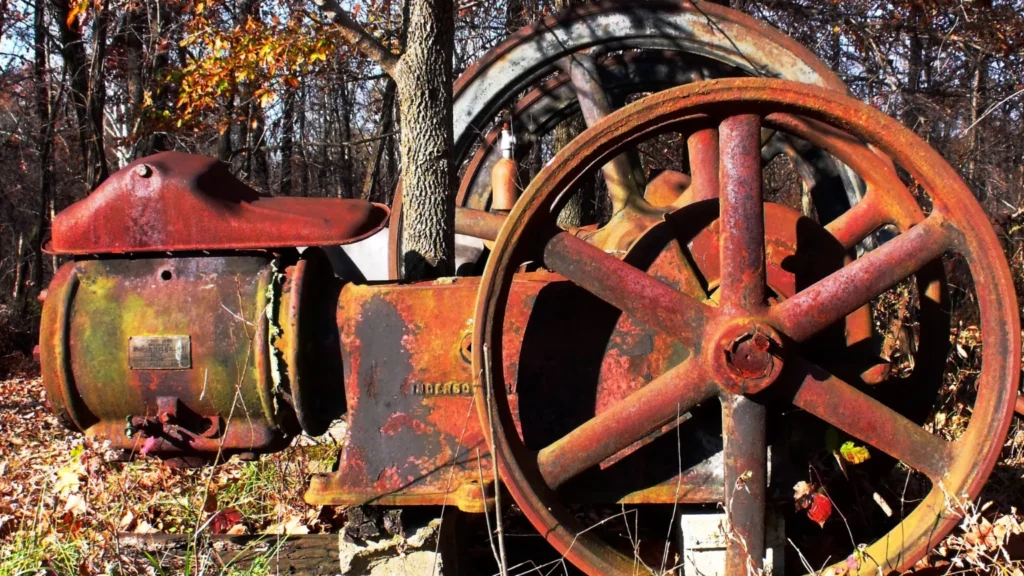
Some machines have nothing left that a rebuilder or a parts buyer wants. If the frame is cracked and the motors, drives and controls are beyond saving, the machine goes for metal recycling. It still has a value, because a large machine contains a good amount of steel, cast iron and copper.
Before it leaves your site, drain the oil and coolant into sealed containers. These stay on site until a registered waste carrier collects them. A machine sent for scrap counts as waste, so you need a waste transfer note for each load. Keep these notes for at least two years. Waste oil and coolant are usually classed as hazardous waste, which needs a consignment note instead. Your waste carrier can confirm which applies.
Ask the buyer before anyone separates the metals. Some buyers prefer to strip the machine themselves, as they know which parts are worth keeping. Removing motors and copper wiring can raise a scrap price. Only do it once you know nobody wants the machine whole.
Deciding what to do with broken machinery is easier when you can compare all the options side by side. Clearing other equipment too? Our guide on how to choose between selling, auction and recycling covers each route.
How to Get a Valuation for a Broken Machine
If that repair quote is still on your desk, a valuation is a sensible next step. A buyer can price most machines from the following details, without needing a site visit:
- The make, model and serial number from the data plate
- Clear photos of the whole machine, the control and any damage
- A short description of the fault and when the machine last ran
- Anything that comes with it, such as tooling, manuals or spare parts
- Where it is, and whether it is still bolted down or connected
Surplus Solutions Group buys plant and machinery from closures and relocations across the UK. We’re based on Centurion Industrial Estate in Leyland and collect nationwide, at a time that suits you. We also reply to every enquiry within the working day.
If you want to sell broken industrial machinery, from one bay or a whole factory, send us the details first. We’ll tell you which route suits each item.
Call 01772 915658 or book a free valuation to find out what your machine is worth.