
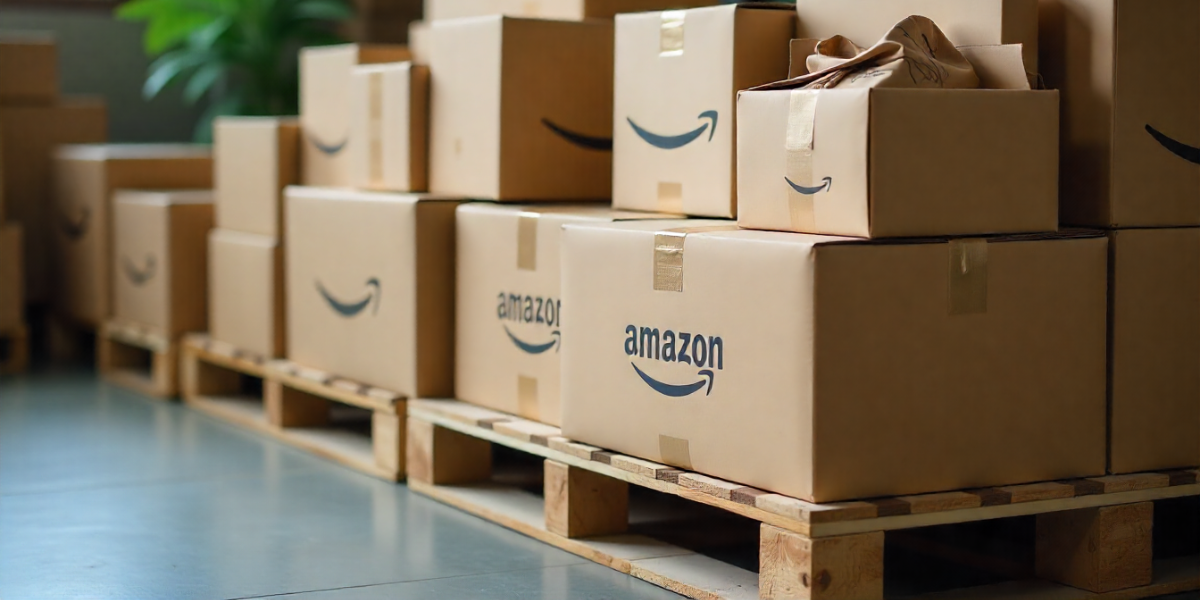
Over the past few years, the UK resale market has seen a sharp rise in interest in buying bulk returned stock from major e-commerce giants. This surge is largely driven by the growing availability of mixed lots, often referred to as return or liquidation pallets. These large bundled shipments, filled with products that have been returned, overstocked, or discontinued, are attracting side hustlers, small business owners, and even established resellers.
But what’s behind this boom, and why are these pallets becoming such a strong presence in the UK market?
What Makes These Pallets So Attractive?
Affordable Entry Point for Resellers
For many, the low entry cost is the biggest draw. A single pallet can contain dozens or even hundreds of items, often worth several times more than its purchase price. Buyers pay only a fraction of the original retail value, making it easier to start reselling without a large upfront investment.
Amazon pallets in the UK typically include a wide range of products, electronics, homeware, tools, clothing, and toys, offering both variety and potential profit. In a market where traditional wholesale stock can be expensive and unpredictable, this model presents a more flexible, low-risk alternative.
Access to High-Demand Products
Return pallets frequently contain well-known brands or trending items. For resellers who understand consumer demand, this is a significant advantage. Many find that a few high-value items in a pallet can cover the entire purchase cost, while the rest adds pure profit once sold.
In a 2024 report by Wired UK, liquidation platforms in Britain reported record interest from individual sellers and small businesses eager to tap into the second-hand and discount retail trend. The appeal lies in the opportunity to earn margins unavailable through standard wholesale channels.
The Changing Nature of Returns and Liquidation
The Rise of Bulk Resale Platforms
The expansion of online liquidation marketplaces has made sourcing these pallets more accessible than ever. Platforms now specialise in connecting major retailers’ surplus and returned goods to local buyers. This ecosystem supports both sides: retailers clear warehouse space and recover partial value, while resellers acquire affordable inventory.
The Circular Economy in Action
Buying and reselling returned goods also fits into a broader sustainability movement. Rather than sending items to the landfill, businesses are giving products a second life. This reduces waste, cuts disposal costs, and meets the growing consumer demand for more sustainable retail practices.
Broader Market Influence
Major e-commerce companies’ rapid product cycles contribute heavily to this phenomenon. Constant product refreshes, free-return policies, and surplus stock create a steady flow of liquidation pallets in the UK. The result is a growing secondary economy based on the redistribution of usable goods.
How the Model Works
Step 1: Sourcing the Right Pallets
Buyers can purchase pallets through authorised liquidation marketplaces or direct distributors. Most listings describe condition categories such as “customer returns,” “overstock,” or “unmanifested.” Manifested pallets include a detailed inventory list, while unmanifested ones are riskier but cheaper.
Step 2: Sorting and Testing
Once received, pallets need sorting. Items are graded as new, like-new, used, or faulty. Testing ensures only functional goods are resold, while damaged items might be refurbished or broken down for parts. Efficient sorting maximises profitability and reduces storage costs.
Step 3: Listing and Selling
Items are then sold individually online or in bulk. eBay, Facebook Marketplace, and local resale platforms dominate this market. Successful sellers invest time in accurate descriptions, good photography, and fair pricing to improve turnaround time.
Why Is the UK Market Especially Active?
High Volume of Online Returns
UK consumers have embraced online shopping and the liberal return policies that come with it. According to The Guardian, an estimated 30–40% of fashion items purchased online are returned. This generates a constant supply of return stock, much of which cannot be resold as new. Retailers prefer to liquidate these items through bulk channels rather than absorb storage and inspection costs.
Economic Conditions and the Side-Hustle Boom
Rising living costs and tighter household budgets have prompted many individuals to seek alternative income sources. Selling refurbished or surplus goods fits perfectly into this trend. The relatively low risk of buying Amazon pallets and flipping their contents has made it appealing to those testing the waters of entrepreneurship.
Accessible Logistics and Storage Options
As the resale trend grows, so does the supporting infrastructure. The UK now has numerous warehouses, local freight companies, and logistics partners that specialise in receiving, breaking down, and redistributing pallets. Businesses in related sectors, like a strip-out company, are even finding opportunities in dismantling and clearing large volumes of inventory for resale preparation.
The Broader Economic Impact
The rise of liquidation and return-based reselling has turned into a significant component of the UK’s informal economy. It reduces waste, supports small business creation, and keeps consumer goods circulating longer. The same infrastructure supporting liquidation pallets also complements related industries such as end-of-line stock recovery, refurbishment, and recycling.
Is It Just a Passing Trend?
The increasing volume of online returns and constant product turnover suggest otherwise. The model’s appeal lies in its adaptability; individual resellers, small clearance businesses, and even large retail outlets now use return pallets as a steady supply source. As long as consumers keep buying online and returning at current rates, this market will continue to thrive.
Moreover, the environmental and economic arguments both support its longevity. Reducing waste and creating affordable resale channels align with the UK’s growing emphasis on circular economy principles.
Summing It Up
The surge in interest around bulk retail return pallets reflects a broader shift in how people view surplus goods. For many UK resellers, these pallets represent both an income opportunity and a sustainable business model. Success depends on understanding logistics, pricing, and demand, but for those willing to put in the effort, the rewards can be significant.
We work with businesses and independent resellers across the UK to source, process, and distribute return and liquidation stock effectively. If your business is exploring resale opportunities or secondary market sourcing, our team can help you identify the best approach for achieving consistent and profitable operations.