
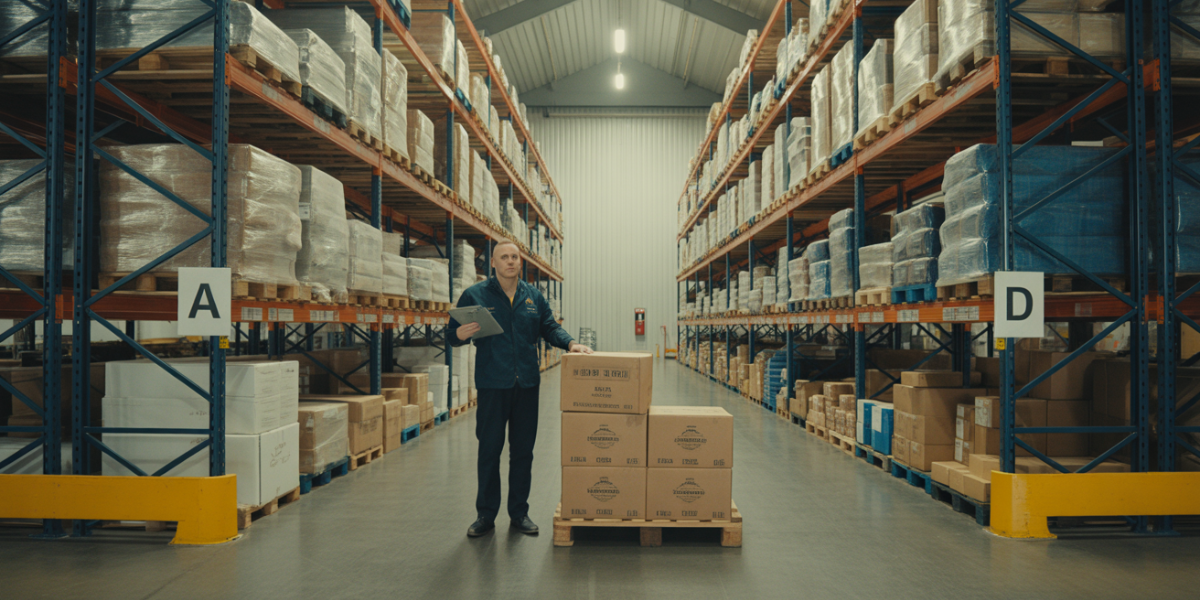
When you buy liquidation goods, the grade you choose can significantly affect the value you receive, the condition of the items, and the profit margin you aim for. Liquidation stock comes from a range of sources, including customer returns, overstock, unsold seasonal lines, and assets released during business closures. Each batch is sorted into grades that reflect quality, functionality, and resale potential. Understanding these differences helps you make smarter buying decisions and reduces the risk of unexpected losses.
This blog helps both sides understand the condition, pricing, risk, and the best resale channels for each grade. Read on to learn how grades affect value and what to check before you buy or sell liquidation stock.
Overview of Liquidation Grades
Liquidation goods are commonly sorted into grade categories that indicate condition, functionality, and packaging. Typical categories are Grade A, Grade B, Grade C, and Grade D. These categories help buyers assess resale potential and guide sellers on pricing and handling. Liquidation grading will usually come with a manifest that describes the condition levels of liquidation goods, though definitions vary between suppliers. Knowing the usual expectations for each grade helps you plan logistics, estimate refurbishment costs, and choose the right sales channel.
Grade A: New and Like New
Typical Condition and Characteristics
Grade A goods are essentially new or like new. Items often arrive in undamaged retail packaging with accessories and manuals included. These goods may be overstock, cancelled orders, or unopened customer returns. Functionality is usually guaranteed, and many units still carry warranty coverage. You will see clear labelling and accurate SKU details on manifests.
Market Value and Pricing Expectations
Grade A items command the highest prices in liquidation sales. Discounts are present, yet margins remain strong for resellers. Expect moderate markdowns compared with full retail depending on brand and demand. High-quality electronics, small appliances, and branded clothing often achieve the best returns among A-grade lots.
Best Sales Channels and Buyers
Grade A stock suits mainstream marketplaces, boutique retailers, and trade buyers seeking consistent quality. Large e-commerce platforms that require strict condition standards are a natural fit. Wholesale buyers who purchase A/B/C grade liquidation pallets also target these lots for quick resale.
Risks and Considerations
Counterfeit claims and warranty transfer problems can occur, especially with branded goods. Sellers must provide accurate documentation to avoid disputes. Brand protection policies may limit resale channels, so check any supplier terms before listing stock.
Grade B: Open Box and Refurbishable
Typical Condition and Characteristics
Grade B items show signs of handling but remain functional. You will see cosmetic wear such as light scuffs or minor packaging damage. Accessories may be missing or repackaged. Many items have been tested and graded as serviceable, ready for minimal refurbishment.
Market Value and Pricing Expectations
Expect deeper discounts on Grade B lots than on A-grade stock. Typical pricing bands vary widely, influenced by product category and repairability. Buyers can negotiate on bulk purchases, especially when refurbishment capacity exists.
Best Sales Channels and Buyers
Specialist refurbished marketplaces and local trade buyers are top channels. B-grade goods also move well through B2B brokers who bundle lots for secondary markets. Sellers should highlight test results and any refurbishment performed.
Refurbishment Cost and Timeline
Refurbishment tasks often include cosmetic cleaning, minor part replacement and functional testing. Costs depend on labour rates and parts availability. Typical turnaround ranges from a few days for small electronics to several weeks for more complex items.
Grade C: Used, Functional, Or Lightly Damaged
Typical Condition and Characteristics
Grade C items show significant wear or have minor functional issues. Defects include deeper scratches, worn components, or intermittent faults. Packaging is usually absent, and serial details may be incomplete. Many units still work, but they require testing or minor repairs.
Market Value and Pricing Expectations
Pricing for Grade C stock reflects the additional work required to prepare items for resale. Discounts are large, and margins rely on repair efficiency. Accurate condition descriptions influence buyer interest and final offer values.
Best Sales Channels and Buyers
Discount retailers, auction platforms, and clearance lot buyers often purchase Grade C merchandise. Trade buyers with repair capabilities find value in these lots. Listing clear condition notes and tested performance increases movement speed.
Inspection Checklist for Buyers
- Test unit functionality where possible.
- Verify serial numbers and model details.
- Check for visible damage and missing parts.
- Assess battery health in portable devices.
- Request any available test certificates or photos.
Grade D: Salvage and Parts Only
Typical Condition and Characteristics
Grade D goods are heavily damaged, non-functional, or water-affected. These units often arrive as loose bulk without packaging. The primary value lies in usable components or material content suitable for recycling.
Market Value and Pricing Expectations
Pricing is low and often set by weight, component value or scrap rates. Buyers of salvage lots expect steep discounts and accept high risk. Specialists extract parts or recycle materials to capture value.
Best Sales Channels and Buyers
Industrial recyclers, parts dealers and salvage auction houses purchase these lots. Specialist refurbishers may buy salvage for component harvesting. Accurate descriptions of defect types help attract appropriate buyers.
Environmental and Compliance Considerations
Disposal of salvage items must comply with environmental regulations. Hazardous components such as batteries and electronic waste require certified handling. Sellers should prepare the correct paperwork and use approved disposal routes.
How Grading Affects Logistics and Handling
Packaging and Staging Requirements
Packaging standards vary by grade. Grade A calls for original packaging and careful palletisation. Grade B needs secure repacking and clear labelling. Grade C and Grade D require adequate segregation to avoid cross-contamination and simplify inspection.
Transport and Insurance Implications
High-value Grade A inventory requires carriers that offer robust insurance and traceability. Lower-grade lots may be moved by general freight, but guarantee insurance covers in-transit loss or damage. Confirm liability terms in sale agreements.
Storage and Risk Management
Store electronics in climate-controlled areas and separate damaged items from sellable stock. Implement precise access controls and maintain accurate manifests to reduce theft and misallocation.
For fast and efficient UK warehouse clearance, make Surplus Solutions Group your go-to. Our team manages the entire clearance process for you and ensures your stock is removed with care and professionalism.
Pricing Strategies Linked to Grade
Dynamic Pricing and Bulk Discounts
Use staged markdowns to accelerate movement. Offer bulk discounts to attract trade buyers and set tiered pricing that rewards larger purchases. Dynamic pricing helps clear slower lines before they decline further in value.
Minimum Acceptable Price and Reserve Strategies
Set floor prices for direct sales and reserve amounts for auctions. Establish clear approval processes for offers below thresholds to avoid accidental undervaluing.
Common Mistakes and How to Avoid Them
Overvaluing Damaged Goods
Setting unrealistic prices stalls movement and increases holding costs. Price according to condition and documented market comparable.
Poor Grading Consistency
Inconsistent grading erodes buyer trust and leads to disputes. Use repeatable grading criteria and spot checks to maintain standards.
Final Summary
Grading directly influences price, channel choice, and handling requirements. A-grade stock yields the best margins and needs careful brand protection. B-grade goods suit refurbished channels and require light servicing. C-grade items need testing and repair capacity. Grade D stock is for parts recovery or recycling. Accurate grading reduces risk, speeds sales, and helps both buyers and sellers make informed decisions. Honest and clear logistics planning is essential to capture value and avoid hidden costs.
If you need help assessing or clearing graded liquidation merchandise, contact Surplus Solutions Group. We have a team of trusted strip-out contractors for all types of site clearance and stock liquidation.