
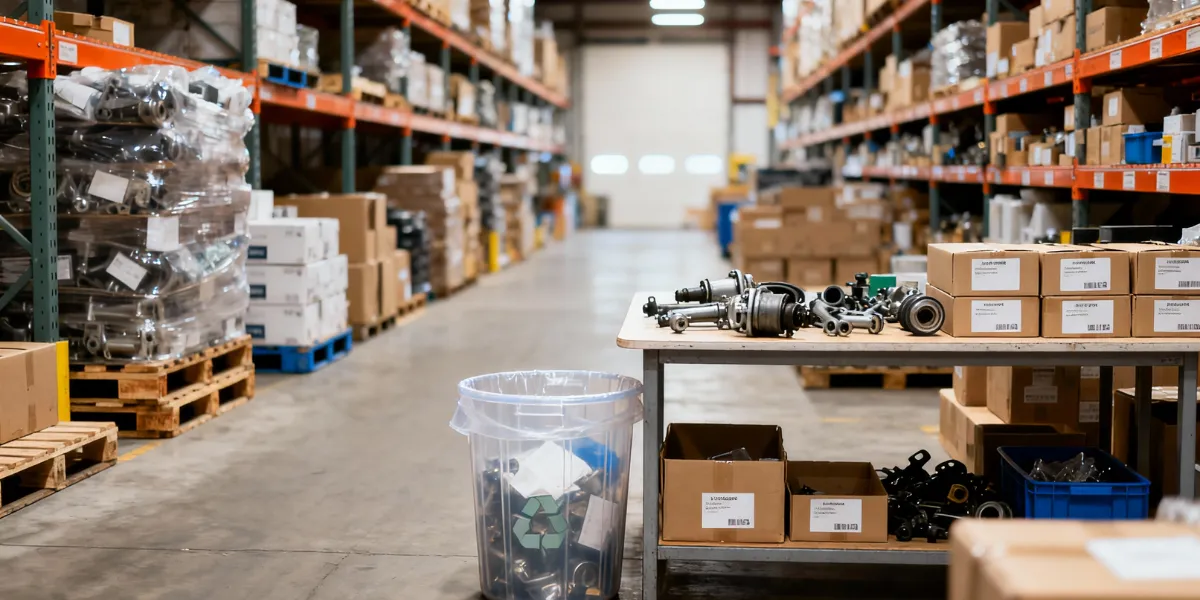
Unsellable liquidation stock is a growing concern for retailers, manufacturers, and resellers. Even with the best planning, some items lose their retail value because of damage, expiry, defects, or poor demand. Once stock becomes impossible to sell through standard routes, it quickly turns into a financial and operational burden. It takes up valuable storage space, creates extra labour costs, and often requires specialist handling to stay compliant with environmental rules. Understanding what happens to returned goods and why certain items become unsellable helps businesses make better decisions about their stock.
The purpose of this blog is to explore the full lifecycle of unsellable liquidation stock and show how it is managed at each step. You will learn the common causes of unsellable goods, the handling pathways used by clearance specialists, and sound approaches to limit the amount of unprocessed returns waste ending up as true waste.
Reasons Stock Becomes Unsellable
Damaged During Transit
Shipping can damage items badly enough to stop them from being sold at retail. Drops, crushing, and exposure to moisture are common problems. Packaging failures may leave goods contaminated or unsafe. When the condition is compromised beyond an acceptable repair cost, the items become unsellable. Accurate incoming inspections help identify damaged units early and speed decisions about repair, parts recovery, or disposal.
Product Obsolescence or Expiry
Some stock becomes obsolete quickly, especially electronics and fast-moving consumer goods. Perishable items pass their use-by date and lose retail value. Fashion lines may fall out of trend and become hard to move at any price. In these cases, the market will not support standard resale, and the business must choose disposal, donation, or recycling routes.
Manufacturing Defects or Faulty Returns
Returns often include defective items that fail quality checks. Faults may be cosmetic or structural, and repairs can be costly. A high rate of faulty returns can overwhelm refurbishment capacity and force bulk decisions to sell for parts or scrap. Accurate grading of returns reduces the risk of accepting stock that will turn out to be unsellable.
Market Saturation or Low Demand
Sometimes goods are perfectly functional but simply lack demand. Oversupply in a category depresses prices and slows movement. Retailers facing tight timelines may prefer to clear space quickly rather than hold stock that will likely deteriorate in value. In these situations, deep discounts, bulk sales, or disposal become necessary.
Methods of Handling Unsellable Stock
Recycling and Reclamation
Recycling is often the most responsible option for unsellable liquidation stock that cannot be repaired. Materials such as metals, plastics, and textiles can be reclaimed and processed into raw materials. The liquidation recycling process typically involves sorting, decontamination, and separation of recyclable components. Using certified recyclers ensures compliance and reduces environmental impact.
Donation or Charitable Use
If items are still usable but unsellable at retail, donation is a viable path. Charities and community projects accept a range of goods, offering social value and potential tax benefits in some cases. Donating stock also protects brand reputation and keeps usable items out of waste streams.
Bulk Disposal and Waste Management
When recycling or donation is not feasible, controlled disposal is the last resort. Disposal must follow legal and environmental rules, particularly for hazardous or electronic goods. Licensed waste carriers and registered facilities should handle bulk disposal. Proper documentation is essential to show the lawful treatment of the stock.
Liquidation for Parts
Breaking down products for spare parts is a common recovery strategy. Usable components can be sold to repair shops or used internally for refurbishment. Parts recovery often preserves more value than outright disposal and reduces the volume of material sent for recycling or landfill.
Financial Implications for Businesses
Write-Offs and Accounting Treatment
Unsellable stock typically becomes a write-off on the balance sheet. Accounting treatment requires accurate valuation and timely recognition of losses. Frequent write-offs indicate larger inventory management problems and can damage profit margins and cash flow projections.
Cost Recovery Strategies
Businesses can recover some value by selling parts, donating goods for tax advantages, or partnering with recyclers that pay for certain materials. In some cases, returning faulty batches to suppliers is possible under warranty or agreement terms. Implementing quick decision rules helps limit holding costs and improves the chances of cost recovery.
Environmental and Compliance Considerations
Regulations On Disposal
Disposal of some liquidation items must comply with strict rules. Electrical goods, batteries, and chemicals have specific requirements. Companies must use licensed waste carriers and retain documentation of transfer and disposal.
Ethical and Sustainable Practices
Sustainable handling of unsellable stock goes beyond compliance. Reducing waste, using certified recyclers, and prioritising donation demonstrate environmental responsibility. Wholesale reuse and ethical disposal practices strengthen stakeholder trust and can align with corporate sustainability goals.
How Businesses Can Minimise Unsellable Inventory
Accurate Forecasting and Demand Planning
Better forecasting reduces over-purchasing and excess stock. Use sales history, market signals, and supplier lead times to set realistic order quantities. Frequent reviews of demand plans prevent the accumulation of slow-moving lines that risk becoming unsellable.
Careful Handling and Quality Checks
Strong receiving procedures and quality checks prevent damage and detect defects early. Proper storage, trained handling staff, and correct packaging reduce transit damage and preserve resale condition. Early intervention allows for refurbishment rather than consigning items to waste.
Partnering with Trusted Clearance Specialists
Working with experienced clearance specialists reduces the burden of unsellable stock. These partners can evaluate inventory, identify salvage routes, and manage removal. Companies that specialise in clearance handle large volumes, arrange recycling services, and provide compliant disposal records. They also offer wider resale networks that increase the chances of recovering value from problematic stock. For specialist solutions involving end-of-line stock, we can advise on the best routes for recovery, resale, and responsible disposal. Get in touch with us to learn more!
Essential Closing Note
Unsellable liquidation stock moves through a predictable lifecycle influenced by its condition, market demand, and compliance requirements. Items that arrive damaged, expire in storage, or return with faults can lose their retail potential quickly, which places pressure on space and resources. Businesses can limit the impact through structured handling methods such as recycling, donation, parts recovery, and controlled disposal. Managing each stage carefully helps reduce waste and ensures that every item is treated in a responsible and compliant way.
By taking a planned approach, companies protect profit, maintain operational efficiency, and safeguard their reputation. This also reduces the chance that unprocessed returns waste becomes a long-term burden for the business.
To get fast, compliant assistance with excess or unsellable stock, contact us for professional support. If your project includes closing facilities or clearing a site, we are the best strip-out company in the UK to manage removals efficiently!