
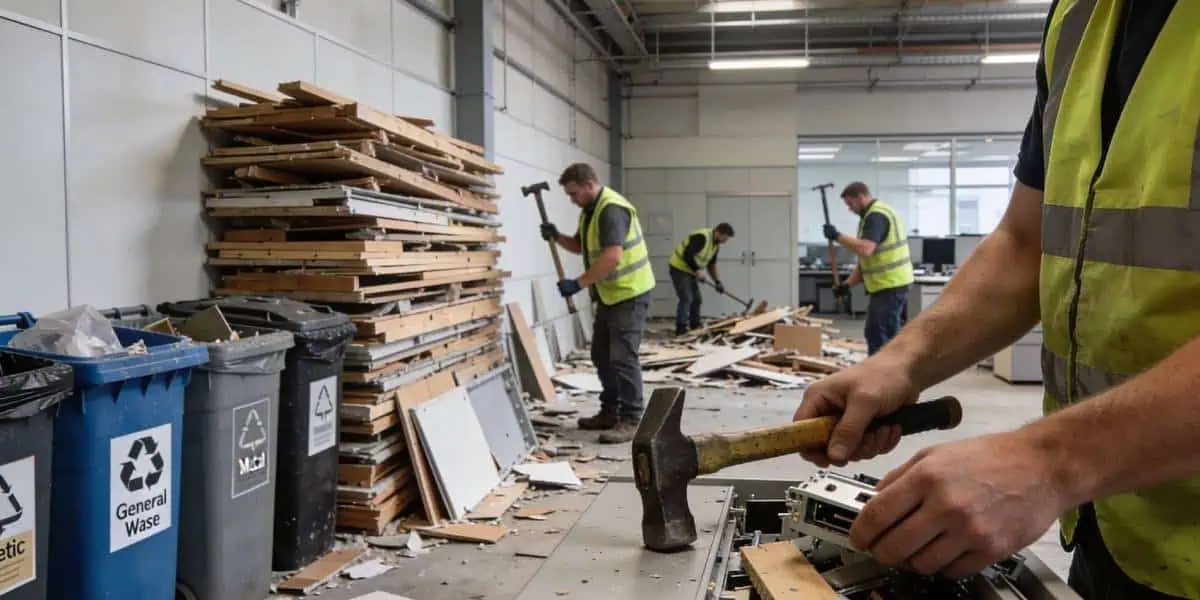
Environmental responsibility shapes how construction and refurbishment projects are planned and delivered across the UK. Organisations face growing pressure to reduce waste, improve resource efficiency, and comply with environmental regulations. Early project stages play a decisive role in achieving these goals. Careful interior removal supports cleaner operations, improved material recovery, and reduced landfill use.
Strip-out services focus on controlled dismantling rather than uncontrolled destruction. This approach supports sustainable demolition by preserving materials, reducing avoidable waste, and limiting environmental impact. Efficient planning also improves safety, organisation, and overall project performance while supporting long-term sustainability objectives.
The Environmental Importance of Responsible Strip-Out
Responsible interior removal contributes directly to environmental protection. Controlled dismantling reduces dust, pollution, and unnecessary waste during building clearance and refurbishment. These practices support eco-friendly demolition by ensuring materials are removed carefully and processed responsibly.
Many interior components remain usable after removal. Fixtures, wiring, flooring, partitions, and fittings often retain value when handled correctly. Preserving these materials reduces demand for new production, which helps conserve natural resources and lower energy consumption. Reduced waste output also decreases landfill pressure and supports compliance with UK environmental standards.
Responsible strip-out work also improves site conditions. Organised removal reduces clutter, improves visibility, and lowers accident risks. Clean and structured sites allow teams to work more efficiently and maintain safer working environments.
Recycling and Waste Reduction in Strip-Out Projects
Material recovery remains one of the most effective ways to improve sustainability in refurbishment and clearance work. Careful planning enables teams to focus on recycling demolition materials and lowering overall waste output.
Early surveys help identify materials suitable for reuse or recycling. Metals, timber, lighting systems, mechanical components, and cabling often remain in recoverable condition. Identifying these materials at the planning stage prevents unnecessary disposal and increases recovery rates.
On-site sorting improves recycling performance. Separating materials at source reduces contamination and ensures each material stream reaches the appropriate recycling facility. Organised sorting also improves handling efficiency and supports environmental compliance.
Professional teams typically work with licensed recycling facilities that process materials according to environmental regulations. Responsible processing ensures recovered materials re-enter productive use while reducing environmental harm. Recycling also reduces the need for newly manufactured materials, which lowers energy use and limits the environmental impact of extraction and production.
The Role of Responsible Waste Management
Waste handling has a direct effect on environmental outcomes. Proper demolition waste disposal ensures materials follow correct treatment routes and do not harm the environment.
Certain materials require specialised handling due to potential safety risks. Hazardous substances must be separated, contained, and processed according to strict guidelines. Careful handling protects workers, nearby communities, and ecosystems while ensuring regulatory compliance.
Accurate waste documentation supports transparency and accountability. Businesses benefit from clear records that demonstrate responsible waste management and legal compliance. Structured waste planning also reduces delays, prevents unnecessary disposal costs, and improves overall operational efficiency.
Effective waste management reduces environmental harm while supporting smoother project delivery. Organised waste handling prevents site congestion, improves safety, and allows work to progress without disruption.
Supporting the Circular Economy Through Material Recovery
The economy focuses on keeping materials in use for as long as possible. Responsible demolition debris recycling supports this principle by allowing materials to be reused or repurposed rather than discarded.
Construction materials such as concrete, metals, plastics, and timber can be processed into new products or secondary construction resources. Recovered materials reduce reliance on newly extracted raw materials and support more sustainable supply chains. Recycling also reduces landfill pressure and supports long-term environmental protection.
Selective dismantling improves recovery rates and preserves asset value. Fixtures, shelving, furniture, and electrical equipment may remain functional after removal. Responsible recovery ensures these items are reused, repurposed, or recycled rather than wasted.
Surplus Solutions Group supports organisations by managing surplus materials and assets during clearance projects. Commercial sites often contain unused goods, including end-of-line stock which require careful handling. Structured asset management prevents unnecessary waste and supports responsible redistribution or disposal.
Business Benefits of Sustainable Strip-Out Practices
Sustainability now influences business performance as well as environmental outcomes. Responsible strip-out practices provide measurable operational and reputational benefits.
Environmental responsibility strengthens trust among clients, partners, and stakeholders. Many organisations require sustainability reporting during project delivery. Demonstrating responsible material handling and waste reduction helps meet these expectations and enhances credibility.
Material recovery also improves cost efficiency. Reusing or recycling materials reduces disposal expenses and may create financial return through resale or redistribution. Reduced landfill reliance further lowers long-term waste costs and supports better resource management.
Efficient strip-out planning improves project coordination. Structured workflows and organised waste handling reduce delays and support smoother operations. Clean and well-managed sites improve productivity, safety, and overall project outcomes.
Responsible practices also improve long-term environmental performance. Reduced waste generation contributes to lower carbon impact and improved sustainability metrics.
Planning a Sustainable Strip-Out Project
Careful preparation plays a crucial role in achieving sustainability targets. Pre-project surveys help identify reusable materials, hazardous components, and expected waste volumes. Early assessment supports informed decision-making and improves recovery efficiency.
Developing a clear waste management strategy ensures materials follow appropriate handling and disposal routes. Structured planning reduces disruption, improves compliance, and supports environmental goals throughout the project lifecycle.
Clear communication with service providers ensures sustainability objectives are understood and implemented effectively. Defined processes support responsible material handling, safe execution, and efficient recovery.
Working with experienced professionals improves environmental performance and operational reliability. Skilled teams follow structured procedures that support responsible waste handling, efficient material recovery, and regulatory compliance.
Conclusion
Strip-out services play a vital role in reducing waste and improving sustainability across modern construction and refurbishment projects. Controlled dismantling, responsible material handling, and structured waste management help lower environmental impact while improving operational efficiency and site safety.
Businesses planning environmentally responsible projects benefit from working with an experienced strip-out company . Surplus Solutions Group delivers practical solutions that support sustainability, efficient asset management, and responsible material recovery, helping organisations achieve cleaner, safer, and more resource-conscious project outcomes.