
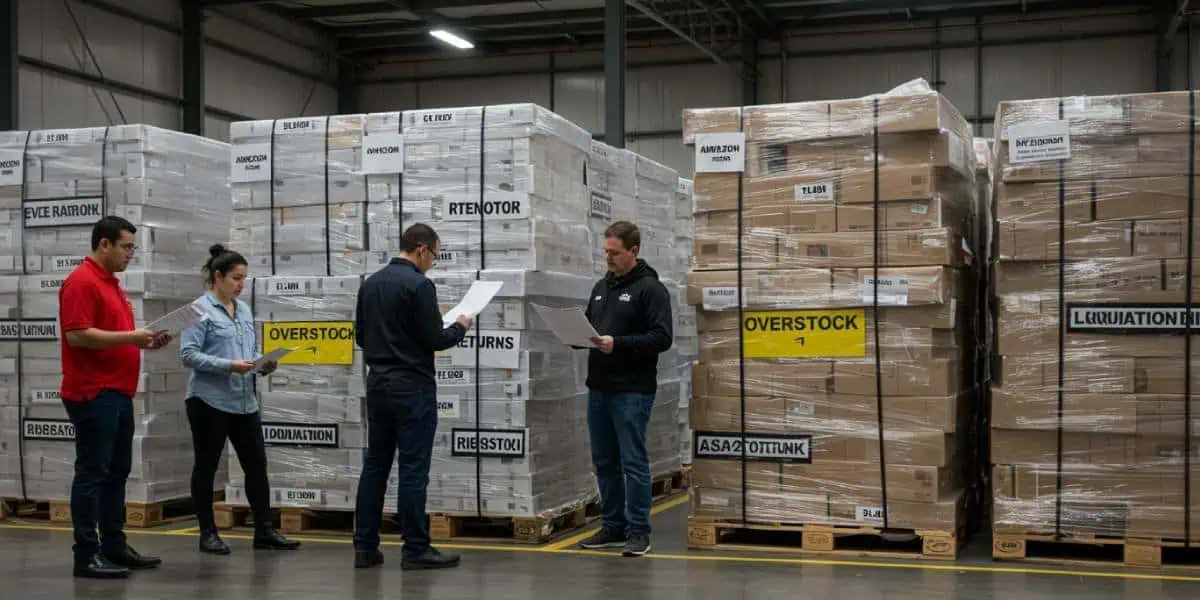
Amazon liquidation pallets have become a popular avenue for resellers seeking high-volume products at discounted prices. The appeal lies in the potential for strong profits when the right pallets are sourced, sorted, and sold effectively, yet risks can exist. Poor-quality stock, unclear manifests, or overpaying can turn a seemingly lucrative investment into a loss.
In the UK, the market for buying pallets from Amazon has grown steadily, with both new and seasoned resellers exploring this model. For many, it provides access to products that would otherwise be unavailable at wholesale prices. However, without careful research, pallets can include unsellable, damaged, or slow-moving items that reduce profitability.
This guide offers actionable tips for Amazon pallet buying, highlighting strategies to select profitable lots, avoid common pitfalls, and maximise ROI.
Understanding Amazon Pallets
What Are Amazon Pallets?
Amazon pallets are bulk shipments of inventory purchased directly from Amazon-approved liquidators or liquidation companies. These pallets may include customer returns, overstock, shelf pulls, or other forms of liquidation stock. Items vary in condition, ranging from brand-new and sealed products to open-box, refurbished, or even damaged goods. Some resellers prefer Amazon wholesale pallets because buying in bulk often reduces the per-unit cost and improves potential profit margins.
Understanding the nature of each pallet before purchase is important. Failing to account for item condition or hidden defects can result in stock that is unsellable or requires significant refurbishment. For resellers in the UK, knowing the difference between new, refurbished, and damaged items allows for smarter pricing and more accurate resale forecasting.
Types of Pallets
- Customer Returns:These pallets contain items returned for minor defects, customer preference, or mistaken orders. While most returns remain in good condition, some may require inspection or minor repairs.
- Overstock / Excess Inventory:Products that did not sell during peak periods. Overstock pallets often feature new items at discount prices, making them easier to resell quickly.
- Liquidation Pallets:Bulk stock sold off quickly by retailers or Amazon to free warehouse space. These can include mixed product categories and are often sold at significant discounts.
- Shelf-Pulls or Damaged Items:Items removed from shelves for cosmetic defects or discontinued lines. While these may sell for refurbishment or parts, they carry a higher risk.
Research Before You Buy
1. Check Seller Reputation
Not all liquidation sources are equal. Verified liquidators or Amazon-approved vendors reduce the risk of receiving poor-quality pallets. UK resellers should check seller ratings, read customer reviews, and confirm delivery terms. Return policies are also important, especially when dealing with high-value items such as electronics.
Buying from reputable sources ensures transparency, reduces surprises, and protects your investment, particularly for first-time Amazon pallet buyers.
2. Understand Product Categories
Some product categories have higher resale value and faster turnover. Electronics, toys, and household goods often outperform niche or highly seasonal products. Clothing, branded collectables, or items tied to short-lived trends can be risky unless you have a clear resale plan.
Understanding category trends allows buyers to focus on pallets most likely to yield a profit while avoiding unsellable items. Consider market saturation, seasonal demand, and consumer interest before committing to high-volume purchases.
3. Estimate Potential Profit
Before bidding or purchasing, calculate the potential ROI. Research current market values for products on platforms like eBay, Facebook Marketplace, or Amazon itself. Factor in purchase price, shipping, taxes, and refurbishment costs.
Setting a strict maximum purchase price ensures you do not overpay. This calculation protects profit margins, especially when handling mixed-condition pallets where some items may require repair or refurbishment.
Tips for Getting the Best Deals
1. Inspect Pallet Contents Carefully
Request detailed manifests or photos before committing to a purchase. A clear manifest should list item names, quantities, estimated retail value, and condition. Pallets without detailed content lists carry hidden risks and may reduce resale potential. Grade items as new, open-box, refurbished, or damaged. The categorisation allows for accurate pricing, prioritisation of high-margin items, and preparation for refurbishment or parts salvage.
2. Negotiate and Compare Prices
Research average pallet prices in your chosen category. Compare prices across multiple liquidators, accounting for hidden costs such as shipping or import fees. Negotiation is often possible, especially for bulk purchases or repeat orders. Moreover, asking for discounts or flexible payment terms can improve profit margins significantly.
3. Buy During Promotions or Off-Peak Periods
Vendors frequently reduce prices during quarter-end, year-end, or slow trading periods. Clearance events, auctions, or off-peak sales present opportunities for purchasing high-quality pallets at lower costs. Timing purchases strategically ensures better deals and reduces competition from other buyers.
4. Start Small and Test the Market
Purchase a smaller pallet initially to evaluate resale potential. Track sell-through rates, product demand, and item condition. Insights gained from this initial purchase help optimise future buying decisions and reduce financial risk. Testing the market is especially important for first-time buyers unfamiliar with a particular product category.
5. Plan for Shipping and Storage
Shipping costs, duties, local delivery, and storage requirements must be factored into the total investment. Freight charges can significantly impact ROI if overlooked. Make sure sufficient warehouse space to protect products from damage. Quick turnover and proper storage prevent stock depreciation, making resale more profitable.
6. Choose the Right Resale Channels
Select platforms based on product type and condition. Amazon pallet resale often performs best on eBay, Amazon itself, or local marketplaces. Prioritise high-margin items while selling low-margin items quickly to maintain cash flow. Matching products to the right audience maximises sales speed and profitability, particularly for mixed-condition pallets.
Surplus Solutions Group helps businesses efficiently clear end-of-line stock , converting excess or discontinued products into fast, hassle-free cash flow.
7. Avoid Common Pitfalls
Stick to researched price ranges and avoid impulse bidding. Account for refurbishment, packing, and unexpected damages when estimating ROI. Plan inventory holding times carefully, especially for seasonal or trend-sensitive products. Being aware of common pitfalls guarantees more consistent profit margins and fewer unsellable items.
After Purchase: Sorting and Processing
Once a pallet arrives, sort items into categories like resellable, refurbishable, and salvageable. Track all costs, inventory, and sales using software or spreadsheets to calculate ROI accurately. Efficient inventory control techniques enable faster decision-making and reduce storage costs. Proper documentation also simplifies resale tracking across multiple platforms.
Final Thoughts
Buying pallets from Amazon offers strong profit potential for resellers who research carefully, inspect pallets thoroughly, and plan resale channels strategically. Understanding product categories, evaluating manifests, and factoring in shipping and storage costs are crucial steps for success.
Starting with smaller test pallets, tracking ROI meticulously, and avoiding impulse decisions safeguards profits. With structured purchasing, careful handling, and smart resale planning, resellers can turn surplus stock into consistent revenue.
As a trusted strip-out company , Surplus Solutions Group manages complete warehouse and retail clearances safely and efficiently, handling all logistics from start to finish.