
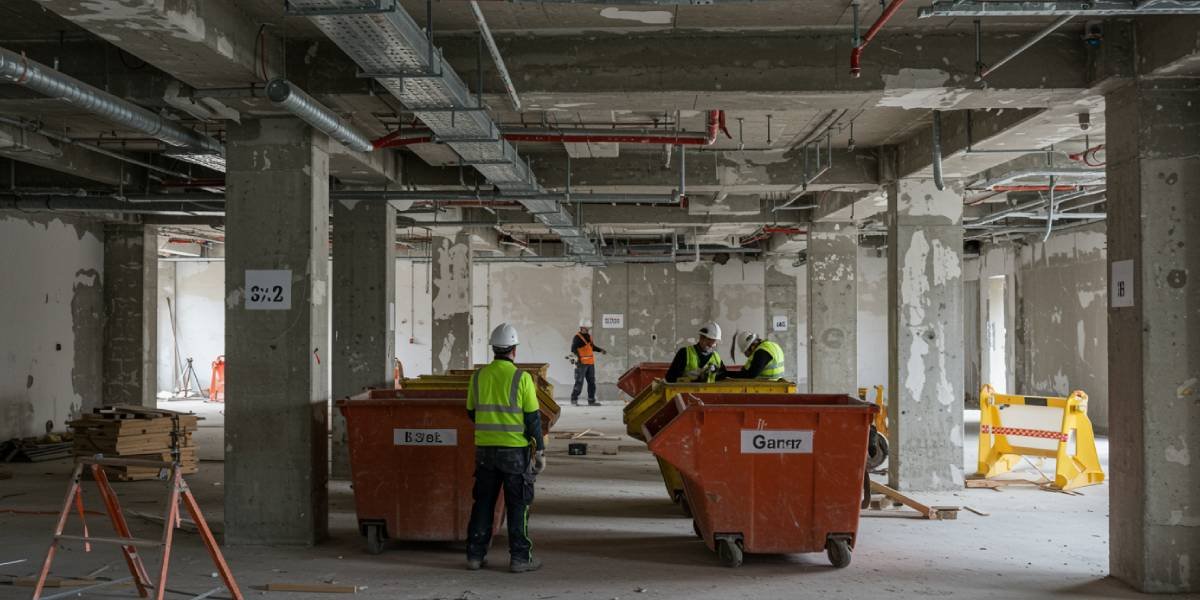
A strip-out project forms the foundation of any successful refurbishment, relocation, or property handover. It involves removing existing fixtures, fittings, services, or finishes to prepare a space for its next phase. While it may appear straightforward, poor planning often leads to delays, rising costs, safety issues, or compliance failures. That is why structured preparation matters.
This guide offers a clear, step-by-step method for planning a successful strip-out project. It focuses on reducing risk, controlling expenditure, maintaining safety standards, and meeting UK regulatory requirements. The aim is simple. Help businesses move forward with clarity rather than costly surprises.
Understanding Strip Out Projects
What Is a Strip Out Project?
A strip-out project involves removing non-structural elements from a building to return it to a usable or agreed condition. This may include fixtures, ceilings, partitions, flooring, mechanical systems, electrical services, or specialist installations. The work prepares a space for refurbishment, reconfiguration, or return to a landlord.
There are several levels of strip-out work. Soft demolition focuses on removing internal finishes or fittings without affecting structural elements. A full strip-out removes most internal components, leaving a bare shell. Partial strip out targets specific zones or systems while protecting retained areas.
When Is a Strip Out Required?
Strip-out work becomes necessary in many commercial settings. Office relocations or refurbishments often require the removal of partitions, cabling, furniture, or outdated layouts. End-of-lease requirements usually demand reinstatement to the original condition. Commercial property reconfiguration may involve changing layouts to suit new tenants. Industrial or warehouse upgrades frequently require the removal of racking, services, or machinery to support operational change.
Step-By-Step Planning Process
Step 1: Define Project Scope and Objectives
A clear scope definition prevents confusion later. Start by identifying every area included within the strip-out works. This may cover offices, storage areas, retail floors, or service zones. Each space may require a different level of removal. Next, clarify what must be removed, retained, or protected. Some assets may stay in place, while others require careful isolation.
Protected elements such as structural components, shared services, or fire systems demand special attention. Finally, set clear objectives. These should link directly to refurbishment plans, landlord handover conditions, or operational timelines. Strong demolition planning at this stage avoids rework, disputes, or cost overruns later.
Step 2: Conduct Site Surveys and Assessments
Building Condition Survey
A thorough site survey provides visibility before work begins. Review existing fixtures, services, access points, ceiling voids, and floor structures. Identify load limits, restricted zones, or shared systems that may affect removal methods. Surveys also support accurate scheduling. Knowing what exists on site allows contractors to plan resources, waste removal, and sequencing with confidence.
Hazard Identification
Hazard identification protects both people and budgets. Asbestos, hazardous materials, restricted access areas, or live services must be identified early. Failure to do so often causes delays or emergency stoppages. Surveys support demolition safety by allowing risks to be controlled rather than reacted to. This step remains critical before any strip-out activity starts.
Step 3: Understand Legal and Compliance Requirements
UK Health and Safety Regulations
UK strip out projects fall under the Construction Design and Management regulations. These place duties on clients, contractors, and designers to manage health risks. Duty of care extends across planning, execution, and monitoring phases. Clear documentation supports compliance. Risk assessments, method statements, and site inductions reduce incident likelihood while protecting all parties involved.
Waste Management and Environmental Compliance
Strip out works generate significant waste. UK regulations require segregation, licensed disposal, and documented transfer. Materials such as electrical equipment, hazardous waste, or branded items carry additional obligations. Compliance-focused planning supports sustainability goals while avoiding penalties or reputational damage.
Step 4: Budgeting and Cost Planning
Strip-out costs depend on scope, building complexity, access constraints, and waste volumes. Labour, equipment, waste handling, surveys, and compliance documentation all contribute to the final expenditure. A clear scope definition prevents unexpected costs. Ambiguity often leads to variations once work begins. Contingency planning remains essential, especially where hidden services or materials may emerge during soft demolition activities.
Step 5: Create A Detailed Strip Out Schedule
Sequencing tasks reduces downtime. Electrical isolation, service removal, fixture dismantling, and waste clearance must follow a logical order. Poor sequencing causes rework or site congestion. Coordination with landlords, contractors, and neighbouring tenants limits disruption. Scheduling should also consider business operations. Where possible, phased works allow activities to continue without full shutdowns.
Step 6: Appoint The Right Strip Out Contractor
Evaluating Contractor Experience
Experience matters a lot. Contractors familiar with commercial environments understand access constraints, compliance demands, and programme pressures. Sector-specific knowledge improves efficiency while reducing risk.
Accreditations and Insurance
Check licences, insurance cover, and health and safety credentials before the appointment. These protect the client in case incidents occur.
Method Statements and Risk Assessments
Documentation also provides clarity. Method statements outline how work will proceed. Risk assessments show how hazards will be controlled. Together, they form a practical demolition guide for safe execution.
Step 7: Waste Segregation and Material Recovery
Waste planning supports both cost control and sustainability. Many materials can be reused, recycled, or reclaimed rather than disposed of. Metals, fixtures, cabling, and equipment often retain value. Early segregation reduces disposal costs while improving recovery outcomes. Responsible handling also supports environmental reporting expectations.
Step 8: Managing Health, Safety, And Site Controls
Site access controls limit unauthorised entry. Clear signage, barriers, and inductions protect occupants and workers alike. Noise, dust, and vibration require management to meet regulations. Communication with stakeholders helps manage expectations throughout the project lifecycle. Strong demolition safety controls protect people while maintaining programme momentum.
Step 9: Project Monitoring and Quality Control
Monitoring progress against timelines keeps the project on track. Regular inspections confirm that work aligns with the agreed scope. Unexpected issues should be addressed quickly. Early decisions prevent escalation. Quality control also ensures retained elements remain protected throughout the strip-out process.
Step 10: Final Inspection and Site Handover
Post-strip inspections confirm completion against requirements. Compliance documentation, waste transfer notes, and safety records should be collated. Preparing the site for refurbishment or landlord sign-off completes the process. A clean handover avoids disputes while supporting a smooth transition into the next project phase.
Businesses planning refurbishment, relocation, or handover can benefit from working with experienced strip-out contractors like Surplus Solutions Group. We offer record-breaking asset liquidation services for all types of businesses.
Conclusion
Structured planning leads to safer, faster, and more cost-effective strip-out projects. Clear scope definition, accurate surveys, compliance awareness, and disciplined scheduling reduce disruption while protecting budgets. Strong communication keeps stakeholders aligned throughout delivery. Proactive planning delivers better outcomes than reactive execution. Businesses that invest time upfront avoid unnecessary risk later. When managed correctly, strip-out projects become controlled transitions rather than operational burdens.
For larger industrial sites or relocations requiring UK warehouse clearance , Surplus Solutions Group provides end-to-end support that protects timelines and compliance standards while keeping disruption to a minimum.